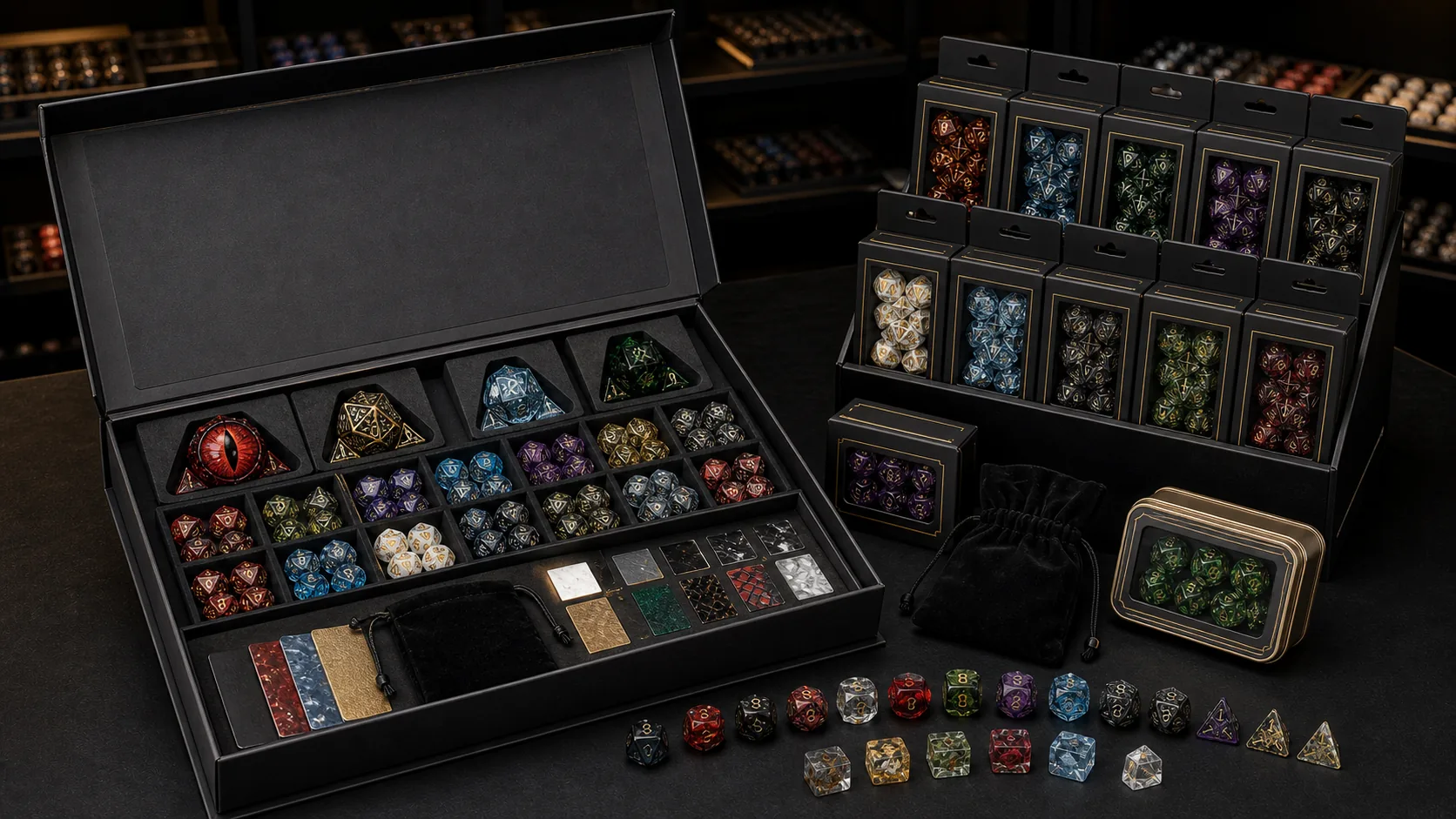
Game stores buy dice differently from individual players. A player may choose one favorite set because it matches a character. A store needs a reliable bulk DND dice assortment that can sit on the counter, support campaign nights, restock quickly, and give customers enough variety without creating a storage problem. The buying decision is not only about finding cheap dice in bulk. It is about building a wholesale DND dice program with the right SKU mix, clear packaging, realistic MOQ, and a reorder plan that protects cash flow.
This guide explains how a game store should plan a first bulk dice order or improve an existing dice section. It covers standard 7-piece polyhedral dice sets, bulk D20 dice, fantasy theme assortments, premium materials, private label packaging, sample kits, MOQ planning, and the information needed for a useful wholesale quote. The goal is to help store owners and buyers avoid two common mistakes: buying too many random styles that do not sell together, or choosing only low-cost dice that do not give the store a strong retail story.
Bulk DND dice for game stores: the quick answer
A practical first bulk DND dice order usually includes standard 7-piece polyhedral dice sets, two to four fantasy theme families, one D20-only option, one premium tier, and packaging that fits the store's display style. For example, a small game store might start with mixed resin dice sets, dragon dice, class-themed dice, elemental dice, bulk D20 dice, and one giftable option such as metal dice or sharp edge resin dice. A larger store or distributor can expand into private label boxes, counter displays, barcode labels, seasonal drops, and reorder cartons by SKU family.
The best question is not "What is the lowest price for bulk dice?" The better question is: "Which dice assortment can my staff explain, my customers understand, and my store reorder without confusion?" That question leads to better purchasing decisions because it connects product design, MOQ, packaging, and merchandising.
1. Match the dice order to how the store sells
Before choosing SKUs, decide how the dice will be sold. A store with a strong RPG community may need deeper 7-piece set variety. A store near conventions may need affordable bulk D20 dice, event rewards, and impulse products. A store with online resale may need cleaner packaging, SKU labels, and product names that are easy to photograph and list. A store building a premium dice cabinet may need metal dice, sharp edge resin dice, liquid core dice, and gift boxes.
| Store scenario | Recommended bulk dice direction | Decision to confirm |
|---|---|---|
| Local game store RPG shelf | Mixed 7-piece polyhedral dice sets plus fantasy themes | How many SKUs can be displayed and reordered clearly |
| Counter impulse area | Bulk D20 dice, loose dice bowls, small bags, and low-friction add-ons | Whether dice are sold loose, bagged, or in labeled mini packs |
| Premium gift case | Metal dice, sharp edge resin dice, liquid core dice, boxed sets | Packaging strength, shelf presentation, and target retail price |
| Event or campaign night | D20-only sets, affordable 7-piece sets, reward packs, class themes | Quantity per event and how leftovers will enter retail stock |
| Private label store brand | Custom packaging, barcode labels, repeatable SKU names, mixed cartons | Packaging MOQ and long-term reorder plan |
This first step prevents overbuying. A display case with too many similar blue resin dice creates confusion. A counter bowl with only plain dice may not feel special. A private label line without SKU discipline becomes hard to reorder. The store should decide where the dice will live before approving the wholesale dice assortment.
2. Build the first bulk dice assortment by role
A strong bulk DND dice assortment usually needs several roles. The core role is the standard 7-piece set: d4, d6, d8, d10, percentile d10, d12, and d20. This is the format most tabletop RPG players recognize. It should be available in enough colors and themes that new players can find something quickly.
The second role is the theme family. Dragon dice, wizard dice, rogue dice, paladin dice, druid dice, necromancer dice, elemental dice, treasure dice, dungeon relic dice, and rune dice help customers buy by identity. Theme families are useful because players often shop with a character, campaign, or mood in mind. A store can sell "red dragon dice for a fire sorcerer" more easily than "red dice set number 14."
The third role is the D20 add-on. Bulk D20 dice work well for impulse purchases, event rewards, prize bowls, staff recommendations, and players who want a different main die without buying a full set. D20-only products can also help stores test colors and themes before committing to larger full-set orders.
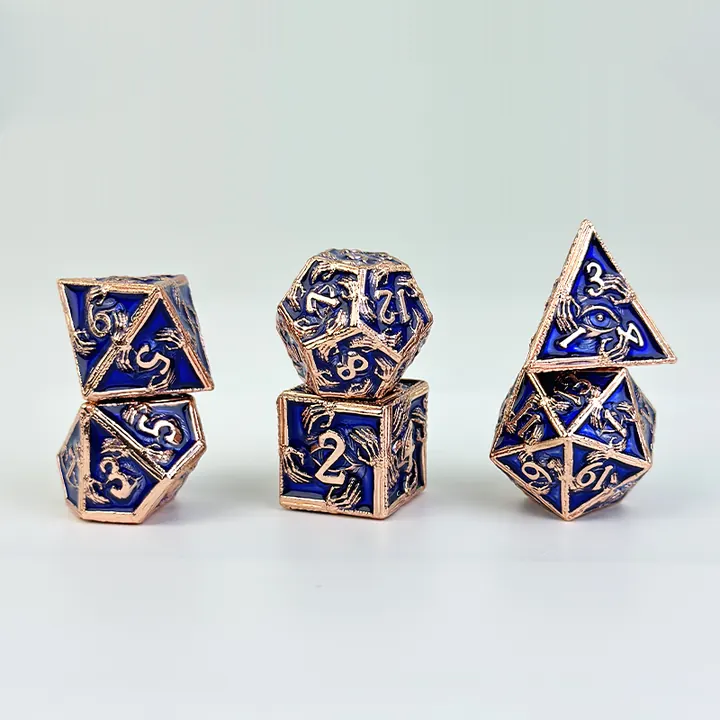
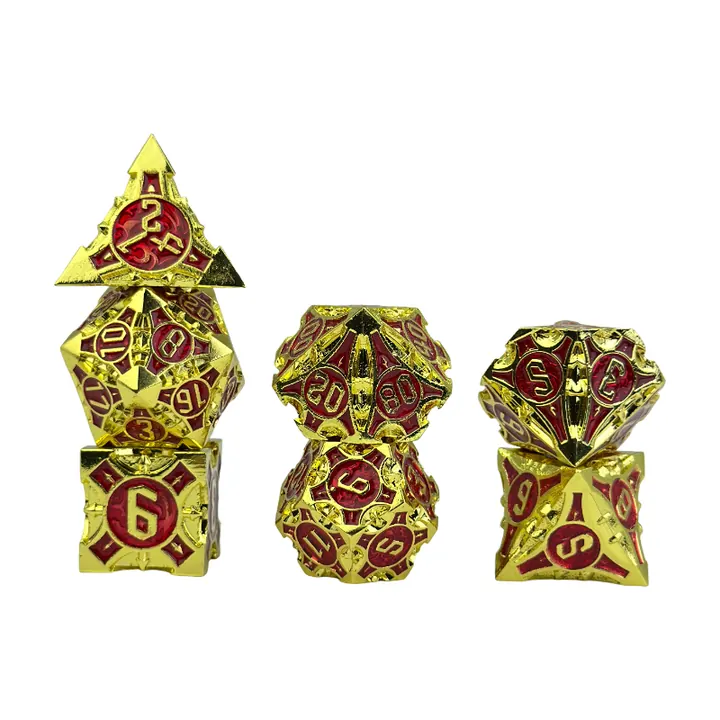
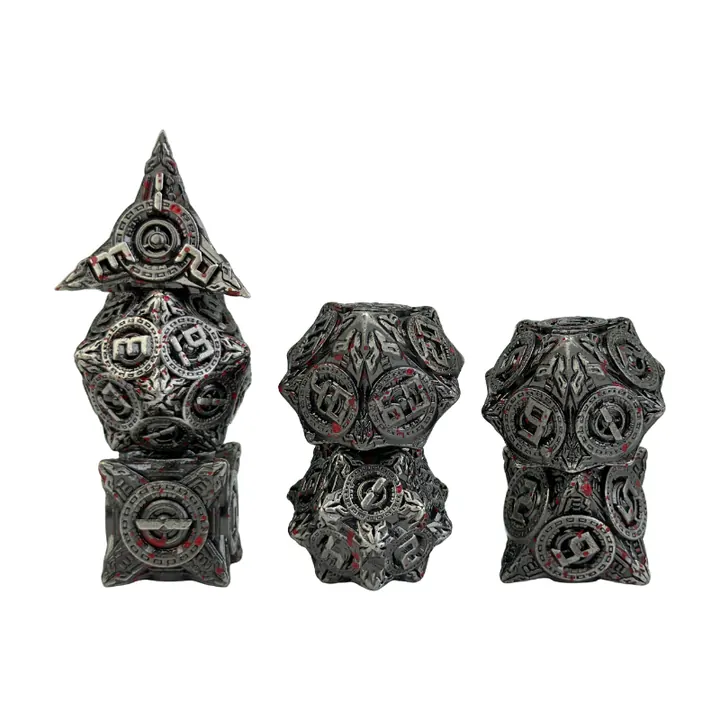
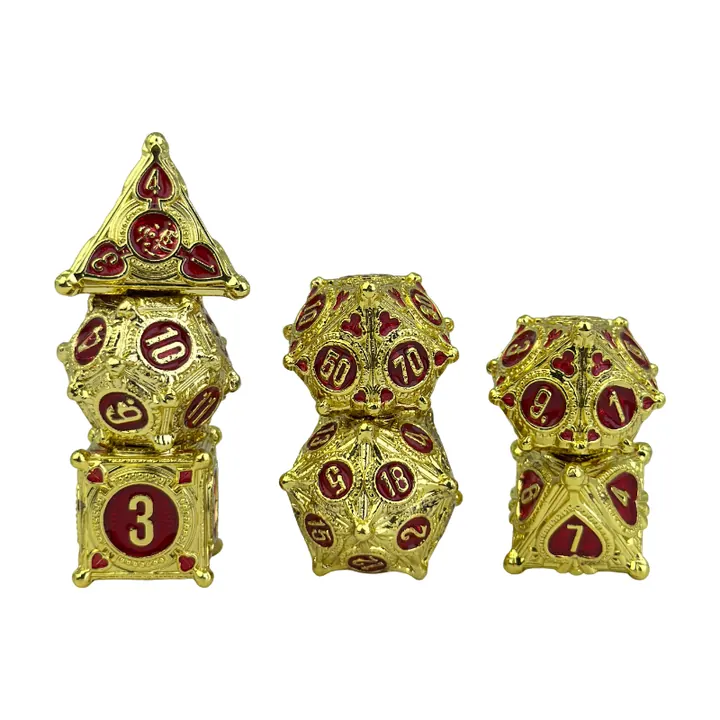
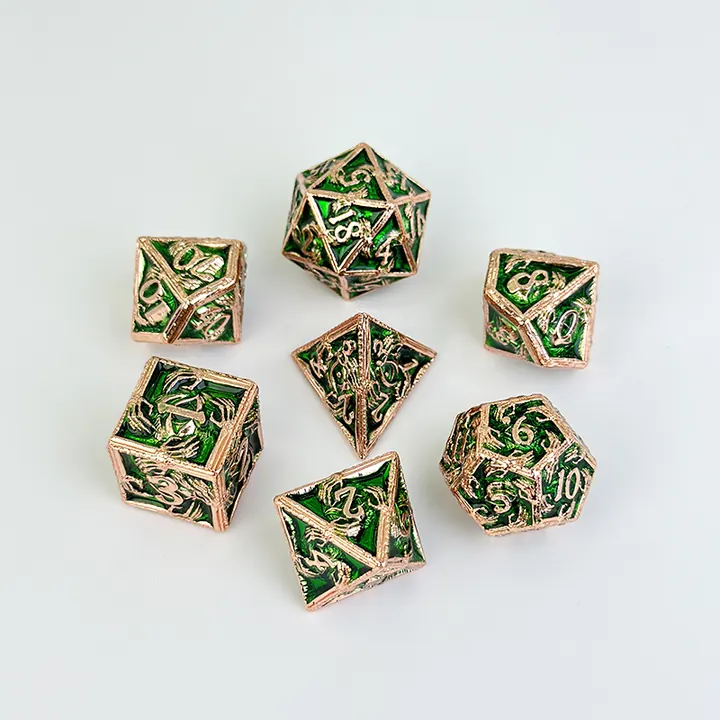
The fourth role is the premium anchor. One or two higher-value products make the dice section look serious. Metal dice, sharp edge resin dice, hollow dice, liquid core dice, oversized D20 dice, and boxed gift sets can create a higher perceived value. They should not replace core dice, but they help the store serve collectors, gift buyers, and players upgrading from entry-level sets.
3. Choose materials by price tier and customer expectation
Materials should be selected by the store's customer base, not only by visual preference. Standard resin dice are flexible for broad assortments because they can support many colors, swirls, glitter effects, translucent looks, and fantasy themes. They are a practical starting point for most wholesale DND dice orders because they balance variety, weight, and retail price.
Sharp edge resin dice are better for premium collectors and gift shelves. They photograph well and feel more deliberate, but the store should check polish, edge quality, bubbles, inclusions, and number fill in samples. If the local customer base includes collectors, streamers, or players who like display pieces, sharp edge resin can be a useful premium tier.
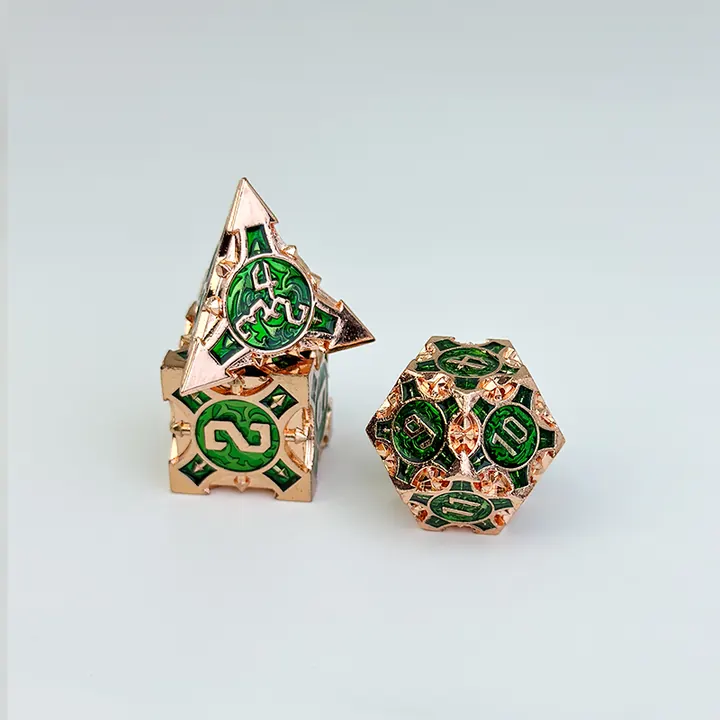
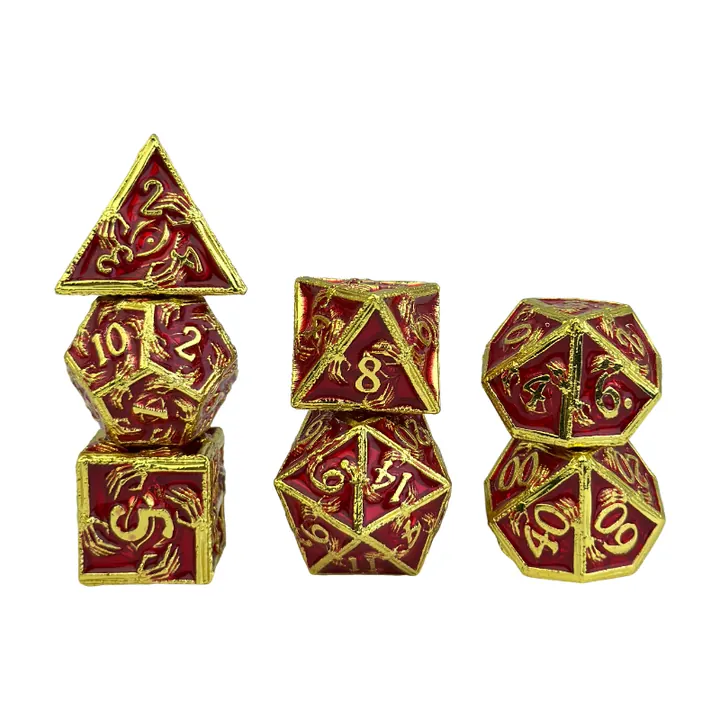
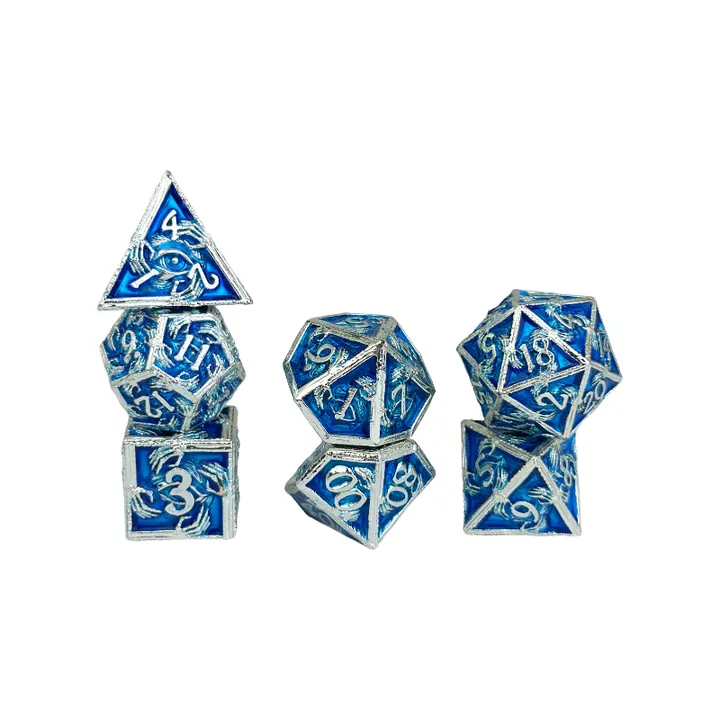
Metal dice create immediate perceived value because of weight. They work for deluxe gifts, dragon themes, dark fantasy shelves, and private label collector lines. The tradeoff is freight weight and packaging strength. A metal dice set needs a box, tin, foam insert, or other structure that prevents damage and gives the customer a premium opening experience.
Liquid core, hollow, rotating, and specialty dice can add novelty. They should be used carefully. Specialty dice can draw attention, but they may need better staff explanation, clearer photos, and sample review. For a first bulk order, it is safer to treat specialty dice as a small category rather than the whole assortment.
4. Decide packaging before finalizing the quote
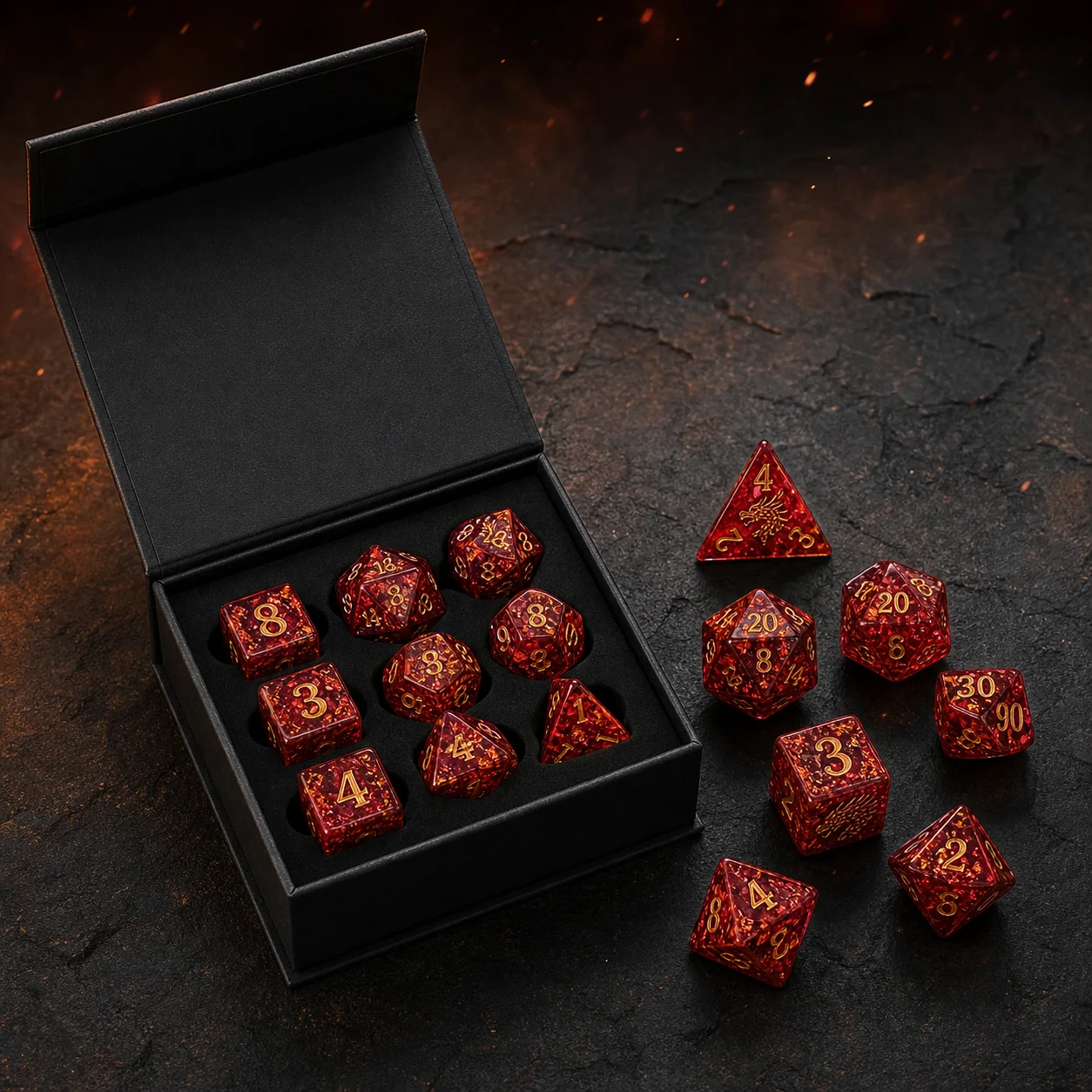
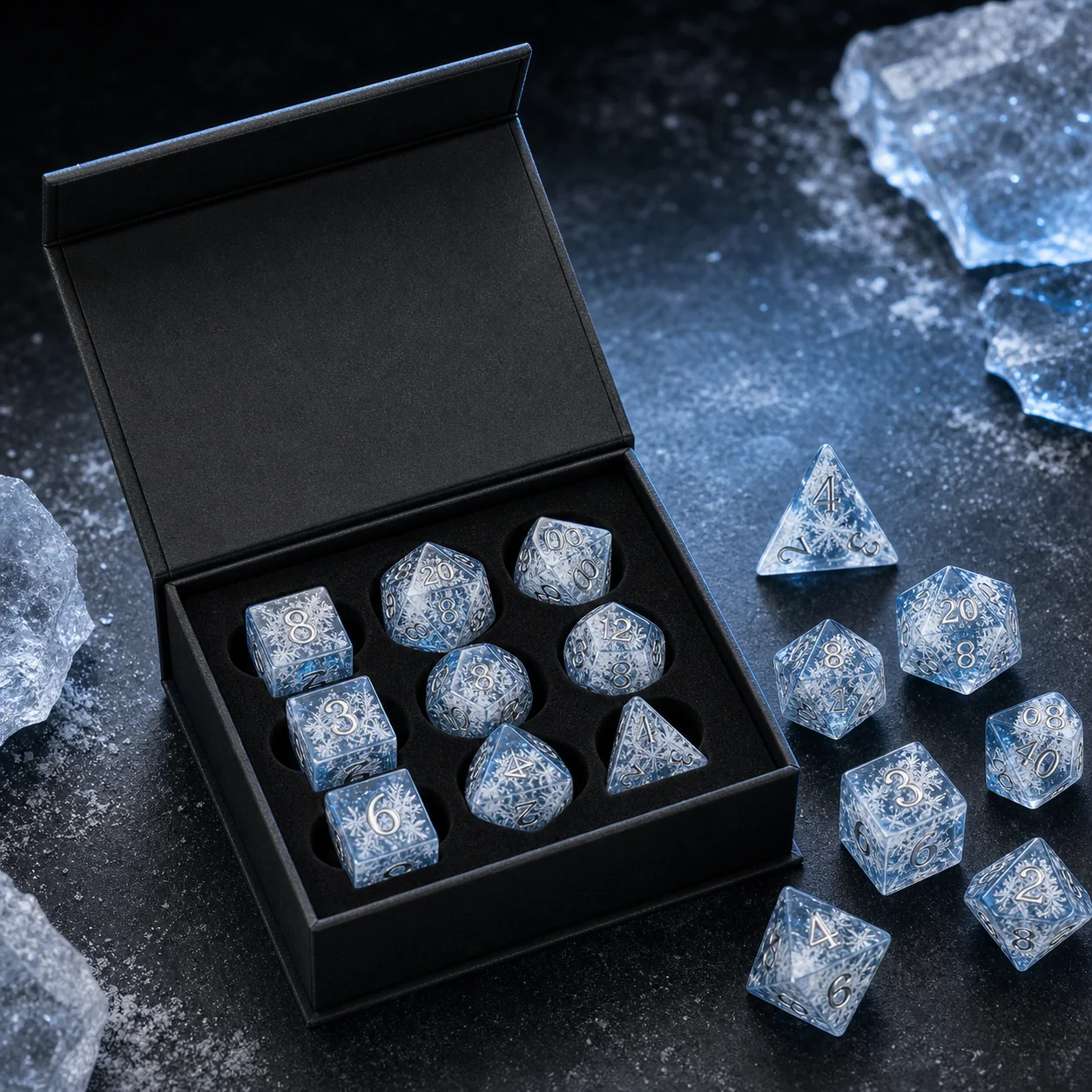
Packaging affects landed cost, shelf presentation, storage, and perceived value. Game stores often underestimate this point. A simple dice bag can work for affordable bulk dice and event packs. A paper box or clear retail box can help with shelf organization and barcode labels. A tin or magnetic box can support premium dice and gifting. A counter display can help staff sell without opening cartons repeatedly.
If the store sells online as well as in person, packaging becomes even more important. Product photos are easier when packaging is consistent. SKU labels reduce picking errors. Barcode labels help inventory systems. Insert cards can explain material, dice count, theme name, or store branding. Private label packaging can make the dice line feel exclusive, but it may add a separate MOQ from the dice themselves.
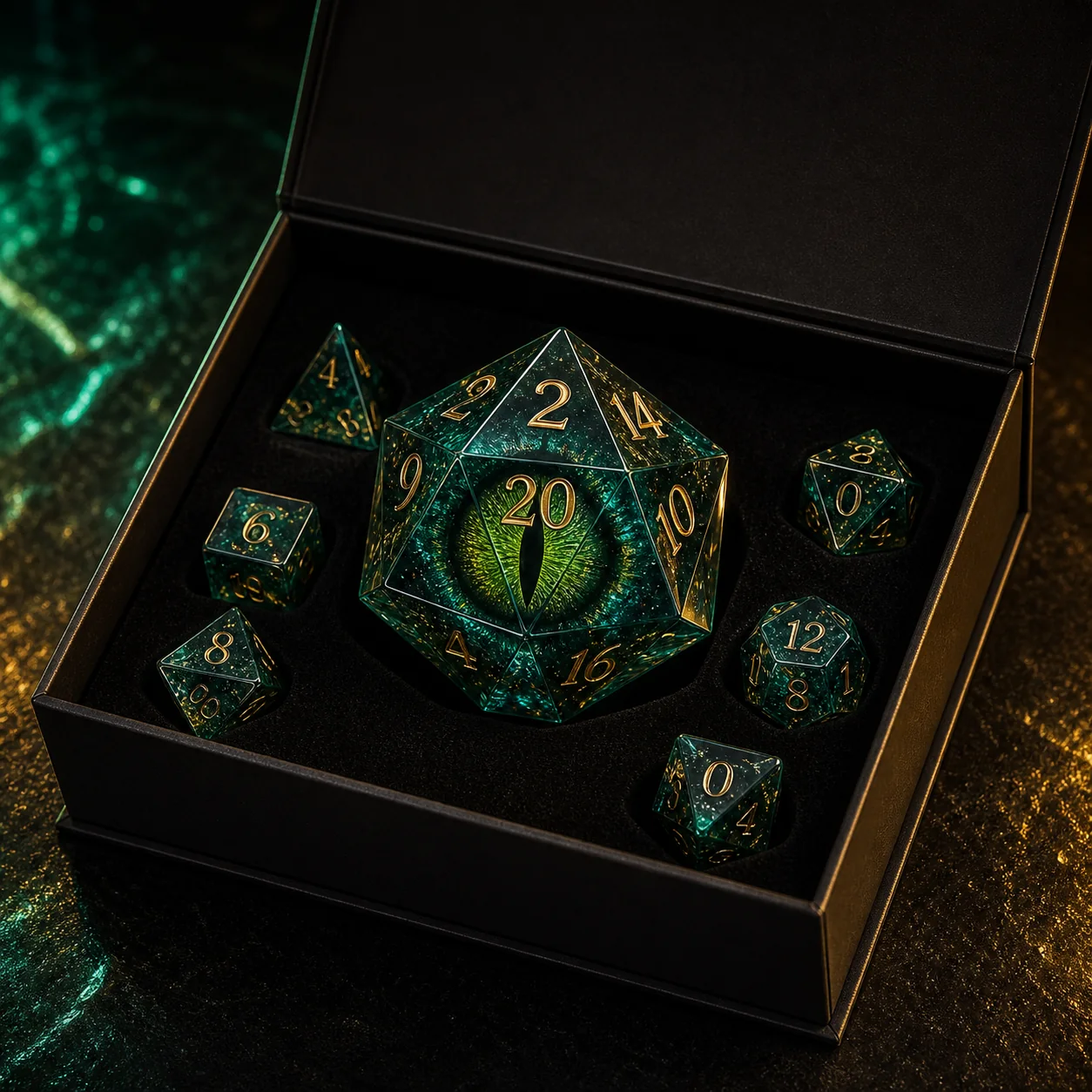
5. Plan MOQ by SKU count, not only total quantity
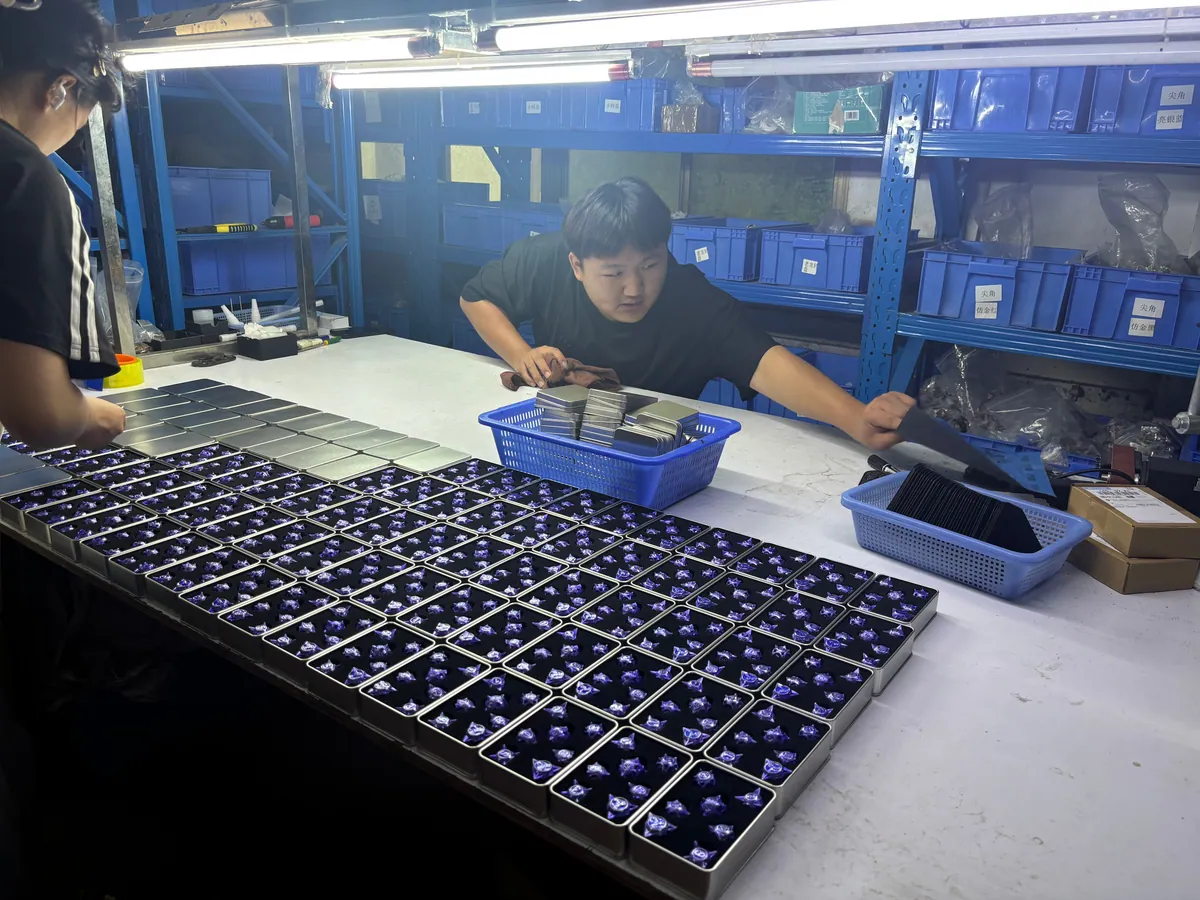
MOQ is one of the most important buying questions for bulk dice. The mistake is to ask only for a total quantity. A store may be able to buy 1,000 sets, but if that order is split across 40 SKUs, the packing and production plan will be very different from 1,000 sets across 8 SKUs. MOQ should be discussed by material, SKU count, packaging format, and whether the order uses catalog styles or custom private label details.
For a first order, a focused SKU list is usually better than an overly broad assortment. A store can start with a smaller number of clear themes and reorder based on sell-through. If the first order includes too many one-off styles, it becomes hard to know which designs are winning. That makes the second order weaker. The purpose of MOQ planning is not only to meet the supplier's requirement. It is to create a retail test that produces useful reorder data.
Packaging MOQ should also be considered separately. Dice MOQ and box MOQ may not match. Custom insert cards, printed boxes, barcode labels, and display cartons can each have different production assumptions. If the store wants private label dice, ask about the lowest practical packaging path for the first order and the cleaner branded path for the second order.
6. Use a sample kit before buying deep inventory
A sample kit is not only for checking whether dice look good. It helps a store judge how the dice feel, how readable the numbers are, how colors look under store lighting, how packaging sits on the shelf, and how easily staff can describe the product. Staff explanation matters. If a dice theme is attractive but hard to explain, it may sell slower than a simpler theme with a clear identity.
When reviewing a bulk dice sample kit, check weight, balance of colors, number contrast, edge finish, packaging closure, and whether the dice photograph well for social posts or online listings. Place the samples where they would actually be sold: counter, shelf, display case, or event table. A product that looks good in a supplier photo may behave differently under store lights and customer handling.
Sample kits also help the store choose between similar categories. For example, a buyer may compare standard resin dice against sharp edge resin dice, metal dice against hollow metal dice, or loose D20 dice against full 7-piece sets. The decision should be based on real selling context, not only on catalog thumbnails.
7. Make the reorder plan part of the first order
Bulk dice buying becomes easier when the first order is built for reorders. Each product should have a clear name, SKU reference, material note, packaging format, and carton marking. The store should know which styles are core evergreen items, which are seasonal, and which are experiments. This makes it easier to reorder winners and drop slow movers.
A simple reorder plan can divide products into three groups. Core dice are standard 7-piece sets that should stay available. Theme dice are dragon, class, elemental, dungeon, relic, or spell-inspired sets that can rotate by season or campaign interest. Premium dice are metal, sharp edge resin, liquid core, oversized D20, or boxed sets that sell slower but improve the perceived value of the dice section.
Stores should also track how dice are sold: counter impulse, shelf browsing, staff recommendation, event prize, online listing, or gift purchase. This information makes the next wholesale dice order more accurate. If D20 impulse dice sell faster than expected, expand D20 colors. If boxed metal dice sell mainly as gifts, improve packaging and seasonal display. If class-themed dice sell during campaign launches, build a class-based reorder calendar.
8. Quote checklist for game store bulk DND dice orders
A complete quote request saves time because the supplier can respond with useful options instead of generic pricing. Game stores should send a clear buying brief with the first inquiry.
- Buyer type: local game store, multi-store retailer, distributor, online shop, event seller, or private label store brand.
- Target order: sample kit, trial order, 100 sets, 300 sets, 1,000+ sets, D20-only order, or mixed SKU program.
- Product mix: standard 7-piece dice sets, bulk D20 dice, dragon dice, class dice, elemental dice, metal dice, sharp edge resin dice, or specialty dice.
- Material preference: resin, sharp edge resin, metal, hollow, liquid core, oversized D20, or mixed material tiers.
- Packaging preference: velvet bag, simple box, tin, magnetic box, clear box, display carton, barcode label, insert card, or private label packaging.
- Retail format: counter bowl, shelf rack, display case, gift section, online listing, event table, or subscription pack.
- Delivery details: destination country, target delivery date, launch date, and whether the store uses a freight forwarder.
- Reorder goal: evergreen stock, seasonal drop, event-only quantity, or private label line.
If the store is not ready to choose exact SKUs, ask for a catalog shortlist and sample kit. A useful supplier can help narrow the assortment based on buyer type, display format, and target quantity. The first quote does not need to be final, but it should be specific enough to compare options.
Bulk DND dice for game stores FAQ
What bulk DND dice should a game store buy first?
Start with standard 7-piece polyhedral dice sets, two to four fantasy theme families, one D20-only option, one premium tier, and packaging that fits the store's display plan.
Are bulk D20 dice useful for game stores?
Yes. Bulk D20 dice work well for impulse purchases, event prizes, campaign rewards, counter bowls, and affordable add-ons for players who want a new main die without buying a full set.
How should a store avoid buying too many slow-moving dice?
Use a focused first order, track sell-through by SKU family, and separate core dice from seasonal or experimental themes. Reorder winners instead of spreading the first order across too many designs.
Should packaging be simple or premium?
Use simple bags or boxes for entry-level dice and events. Use tins, magnetic boxes, inserts, or private label packaging for premium dice, gifts, online listings, and branded store lines.
What affects MOQ for wholesale DND dice?
MOQ depends on SKU count, material, customization, packaging, private label artwork, carton packing, and whether the order uses catalog styles or custom production.
What should a game store request before a first bulk order?
Request a wholesale catalog, sample kit options, MOQ guidance, packaging options, and a quote based on buyer type, selected SKUs, quantity target, delivery country, and reorder plan.
Continue planning your wholesale dice order.
Bulk Polyhedral Dice
Plan bulk DND dice, wholesale DND dice, mixed SKU assortments, MOQ, sample kits, and retail packaging.
Wholesale Dice
Review B2B wholesale dice programs for game stores, distributors, dice brands, and event buyers.
Wholesale Dice Catalog
Download catalog files and shortlist dice styles before requesting pricing.
Wholesale Dice MOQ Guide
Understand how MOQ changes by SKU count, material, packaging, and custom requirements.
Sample Kit & Catalog Request
Request a sample kit and catalog files before selecting the first bulk order.
Request a Quote
Send buyer type, SKU list, quantity target, packaging preference, and delivery country.
Send a bulk DND dice shortlist for pricing.
Share your buyer type, selected catalog SKUs, target quantity, packaging format, delivery country, and launch timing. We can help compare sample kits, mixed SKU programs, D20 bulk dice, premium materials, and private label packaging.
Final recommendation
For game stores, the best bulk DND dice order is structured, not random. Start with a clear retail use case, choose a focused SKU mix, review samples, confirm MOQ by SKU and packaging, and build a reorder plan from the beginning. A store that buys dice this way can create a stronger shelf, reduce slow-moving inventory, and make wholesale dice purchasing easier with every reorder.